Seeing Home (2026)
Seeing Home (2025)
Seeing things through the photographic camera is not merely a neutral act, but rather one shaped by historical and cultural conventions. These conventions can readily be tested: if multiple individuals are asked to describe a not-yet-taken (mental) photograph of a specific subject, there will be many points of overlap among their descriptions. Whereas individuals’ accounts of direct encounters with the same subjects are highly variable. This gap emerges from fundamental differences between photographic image and human experience.
Perhaps the most salient difference lies in the eye’s exceptionally wide field of view, while only its central region is rendered in sharp focus. Conversely, the photographs we encounter daily typically show no variation in sharpness between the center and periphery, and in many cases, they fail to offer a field of view comparable to that of the human eye. By attending to mental photographs, one observes that, in relation to any given subject, either the extent of the visual field or the level of detail is prioritized. For example, conventionally, landscape images are associated with a wide field of view, whereas still-life images are linked to detailed representation. Despite all the differences and the fundamental changes in the function of the photographic camera, this device has nevertheless been culturally accepted as a mediator between us and the external world.
This series concentrates on the concept of home. Here, we can once again invoke the concept of the mental image: our mental image of a home we are about to inhabit differs significantly from the mental image of a home in which we have lived for several years. The first set of images likely corresponds to the wide-angle photographs typically found on real estate listing websites, whereas the second set comprises more closely framed images that highlight the objects and details of the home.
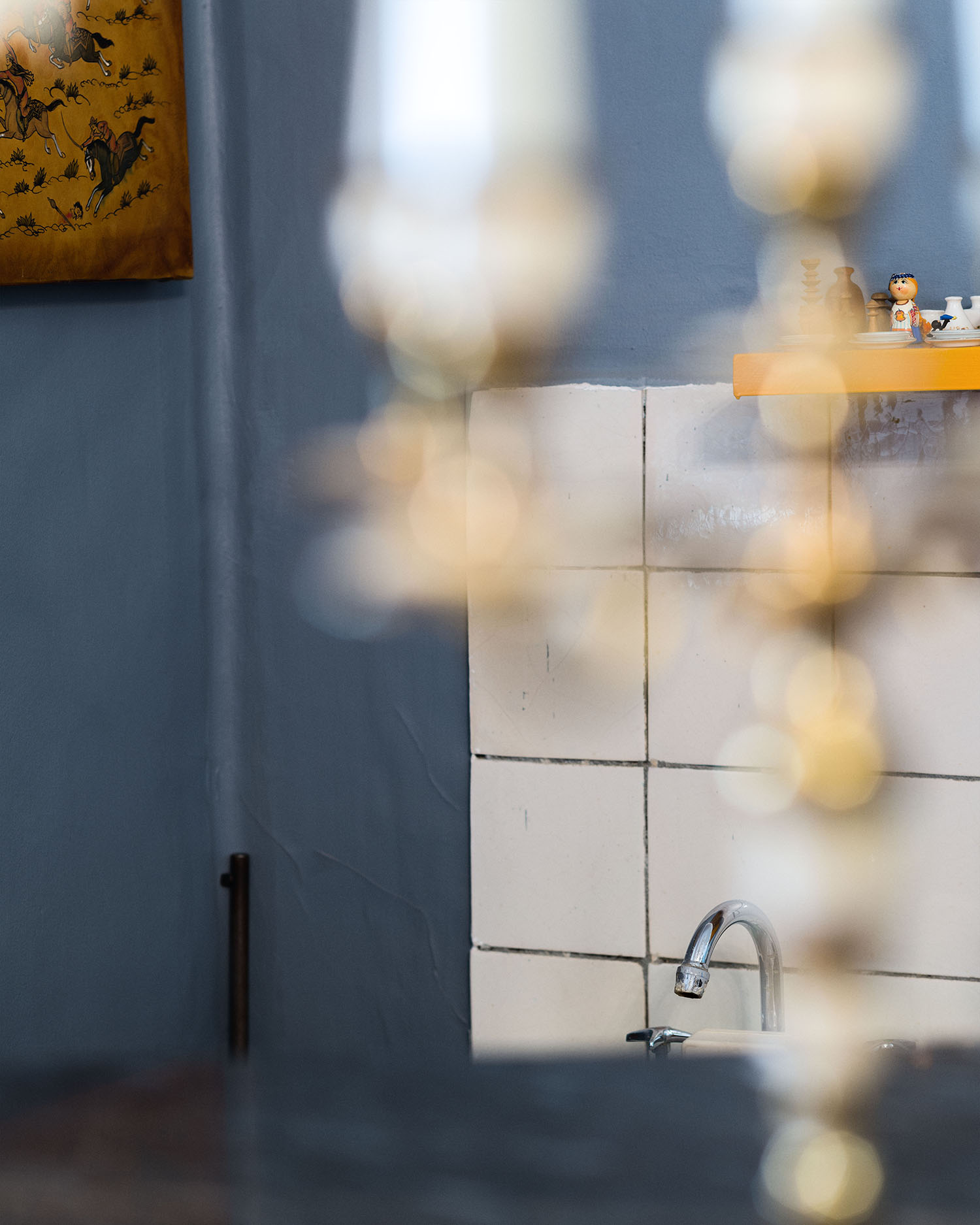
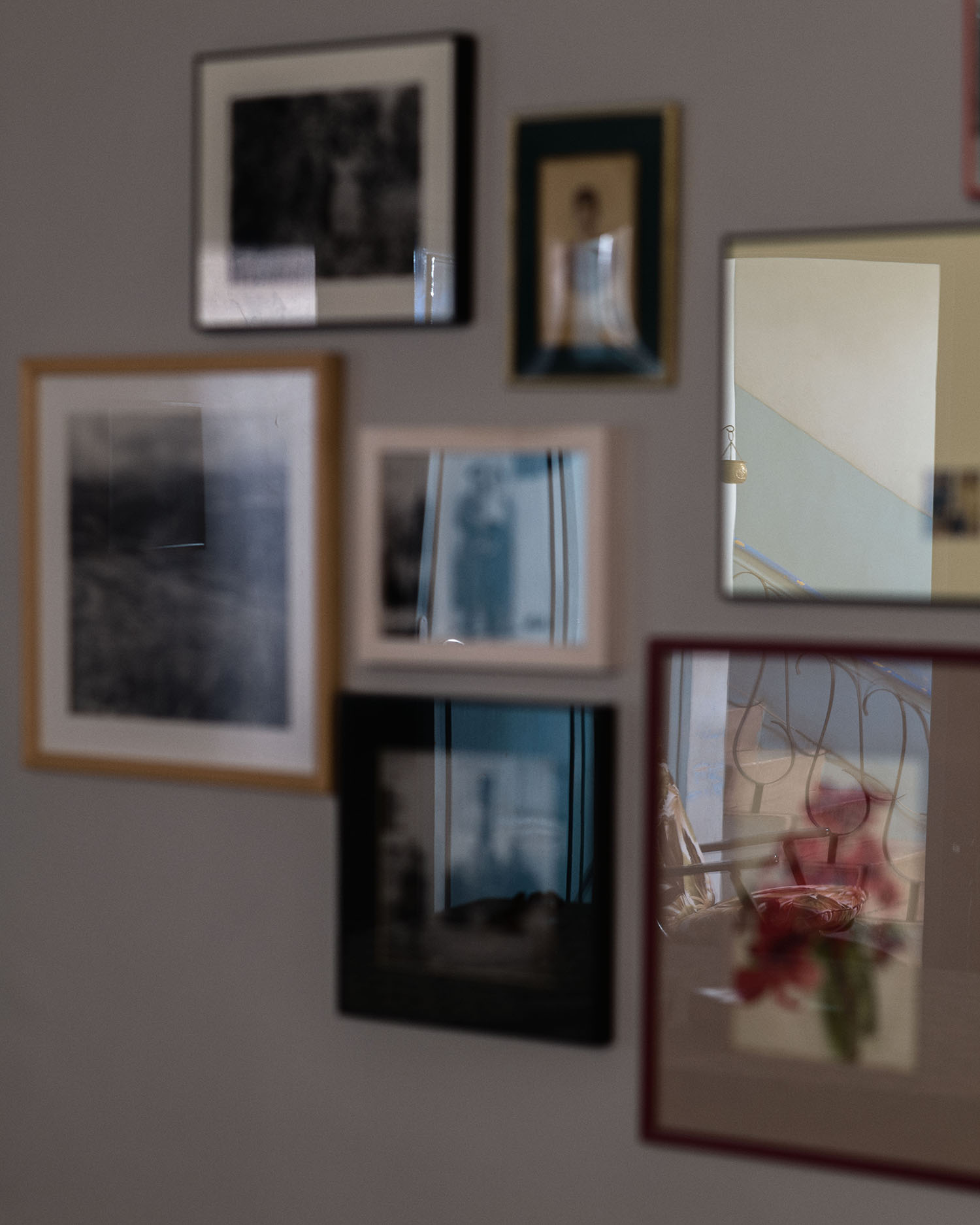
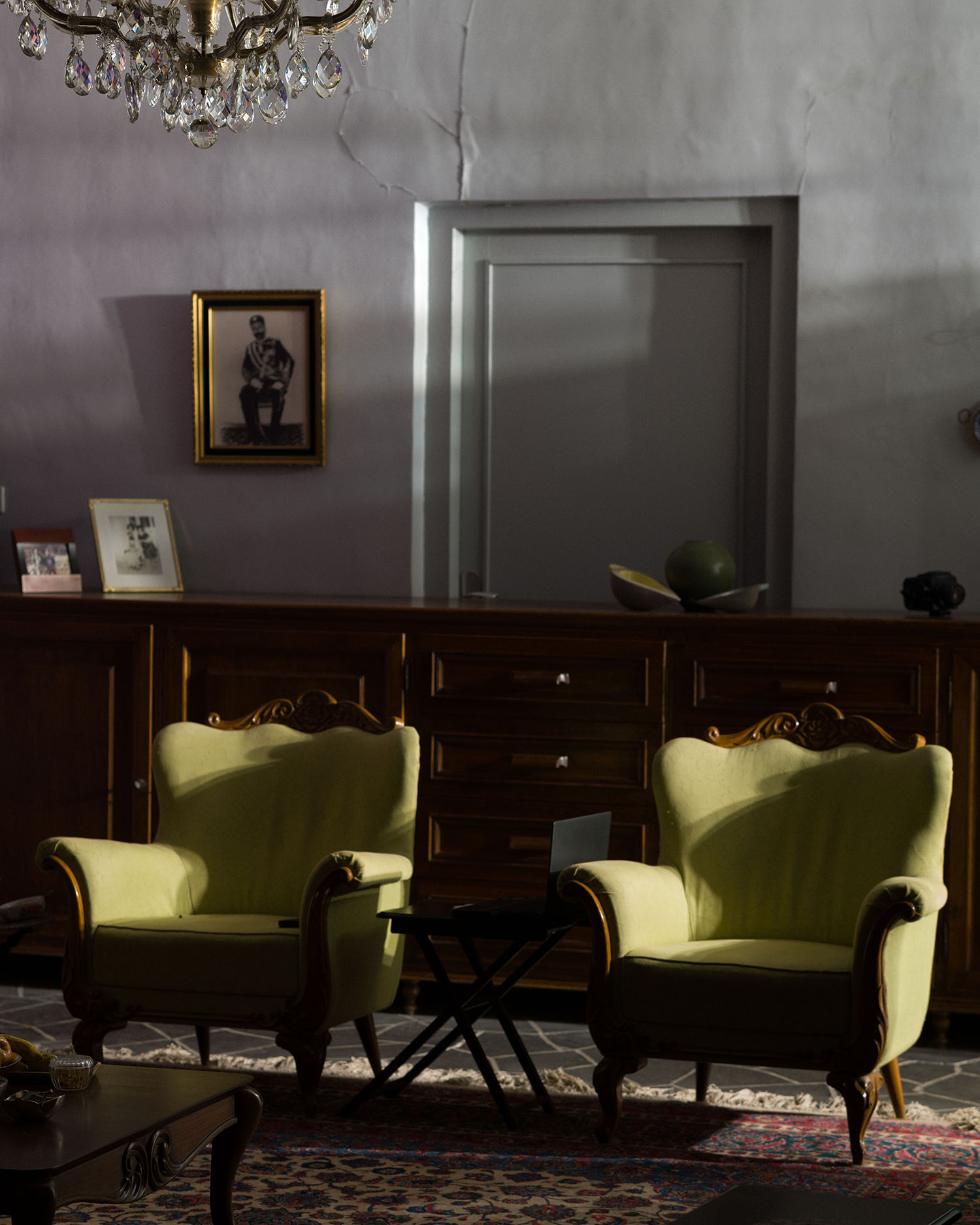
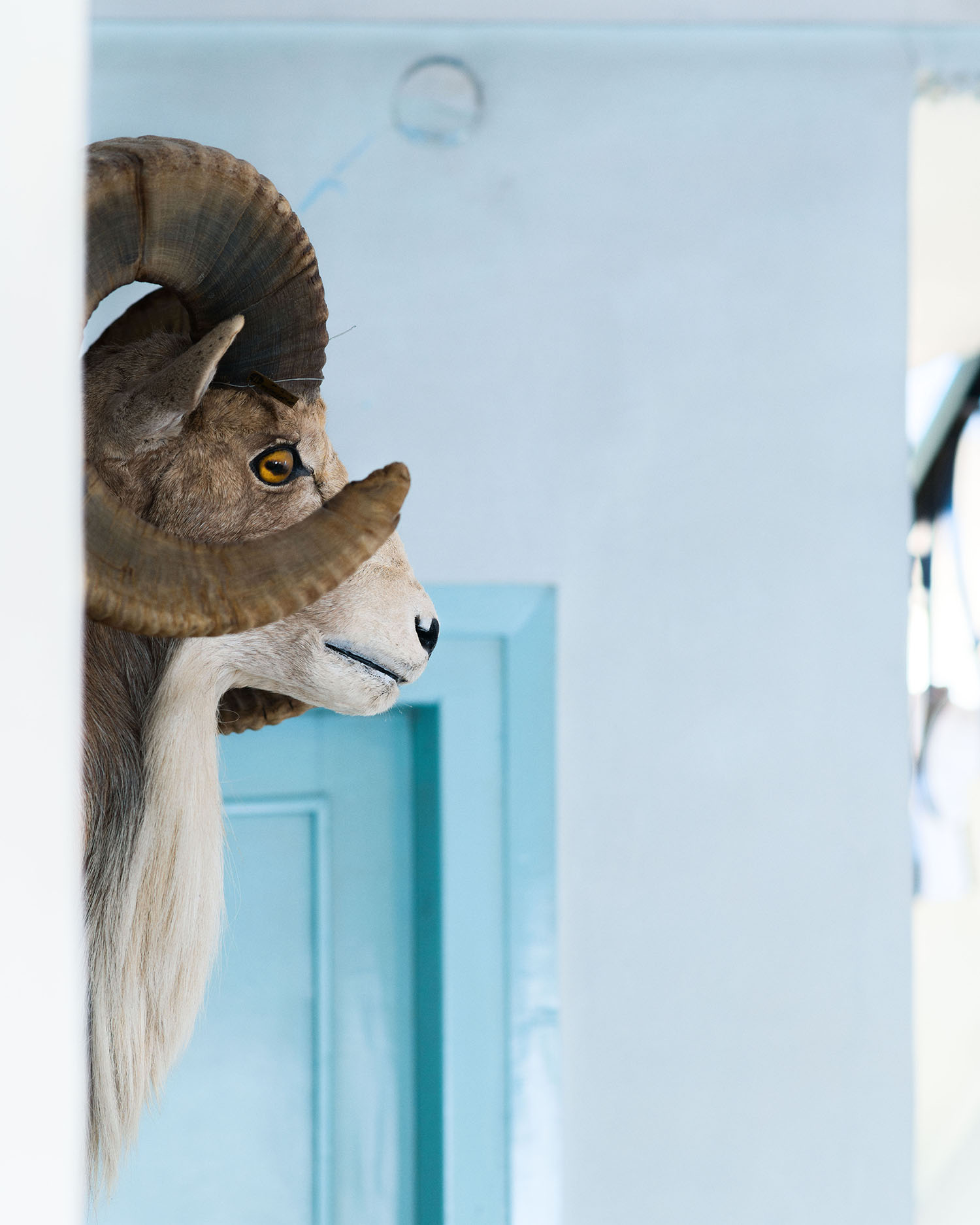
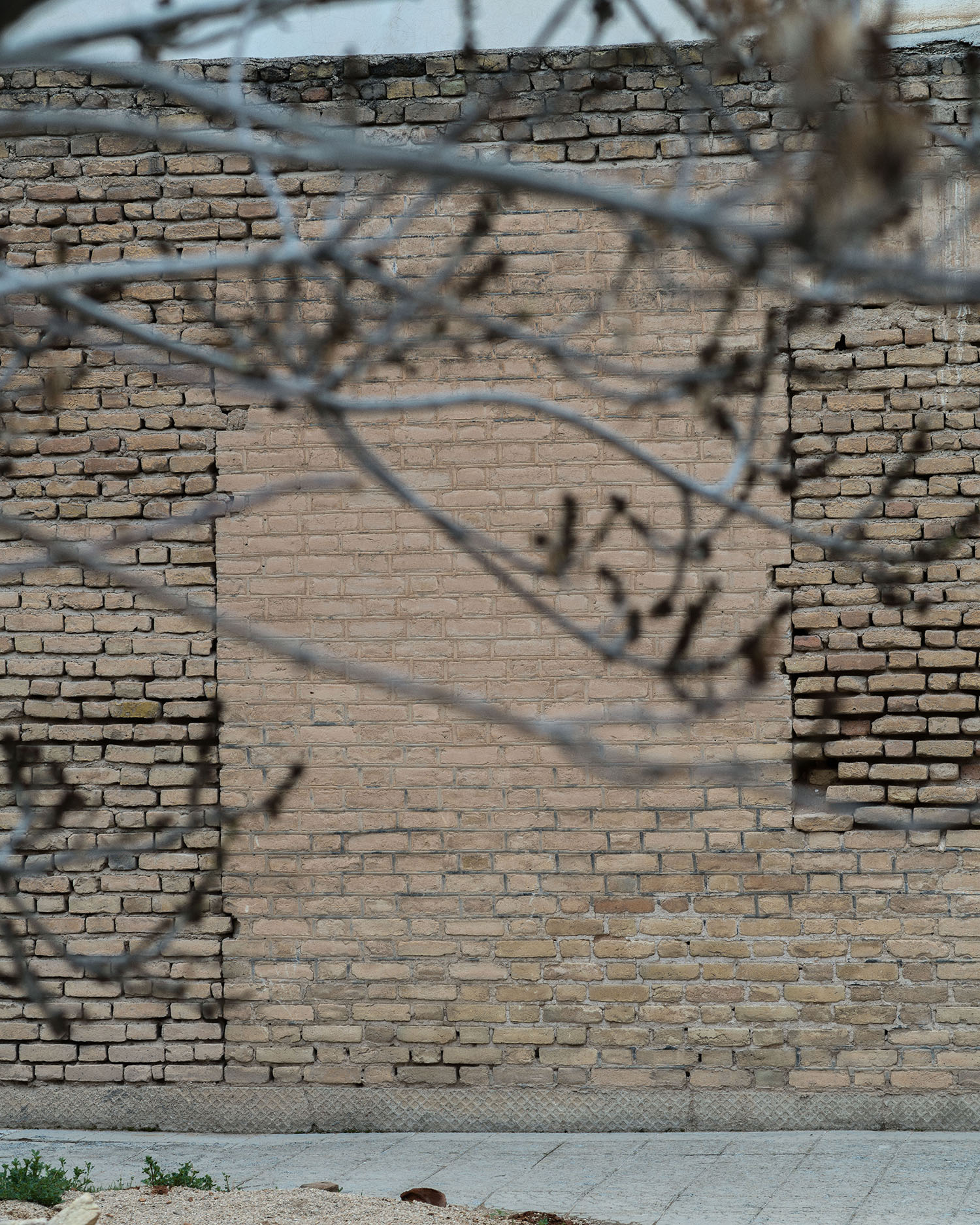
Seeing Home represents a house to which I do not belong, mediated through a mechanism that places greater emphasis on details. These details testify to the long presence of people here—something all but absent in most contemporary homes.









Extended Text:
Seeing things through the photographic camera is not a purely neutral or objective act but is instead shaped by numerous historical and cultural conventions. These conventions can be readily tested: if multiple individuals are asked to describe a not-yet-taken (mental) photograph of a specific subject (such as a mountainous landscape, the interior of a café, the view from the window of an intercity train, a street portrait, a family group photograph, a breakfast table, a busy intersection, and so on), there will be many points of overlap among their descriptions. Whereas individuals’ accounts of direct encounters with the same phenomena and subjects are highly variable. This gap emerges from fundamental differences between photographic image and human experience.
An important part of this distinction stems from the difference between human vision as experienced through two eyes and the image produced by the photographic camera. These differences are not merely technical; they are produced and organized by ruptures in the ways we encounter external reality. For example, one of the most fundamental differences is the perpetual dynamism of the human eye versus the static nature of the camera. The human eye is continuously in motion, sequentially processing images to form a cohesive, dynamic, three-dimensional representation in the brain. It is worth noting that the uninterrupted exclusion of the nose from the image perceived by the eye is part of this processing. In contrast, the camera produces an image at a fixed, static instant— usually frozen—leaving the perception of the subject’s dynamism and three-dimensionality to the viewer’s imagination. This distinction persists even when one eye is closed and the other fixates on a point, as the concavity of the retina produces a perspective different from linear perspective.
Thus, a fixed eye and a camera—regardless of the lens used—always produce different images. On the other hand, the embodied nature of the eye and the experience of inhabiting space constitute a crucial part of our three-dimensional perception, demonstrating that spatial perception cannot be reduced to vision alone.
Additional distinctions exist between seeing with the eye and seeing through the camera; however, perhaps the most salient difference is the eye’s ability to encompass an exceptionally wide field of view, while only its central region is rendered in sharp focus. The brain integrates information from this sharply focused central region with peripheral information to construct a coherent and comprehensible mental image. Conversely, the photographs we encounter daily—particularly those taken with mobile phones—typically show no variation in sharpness between the center and periphery, and in many cases, they fail to offer a field of view comparable to that of the human eye. By attending to the photographs we encounter daily, one observes that, for any given subject, either the extent of the visual field or the level of detail is normally prioritized. For example, conventionally, landscape images are associated with a wide field of view, whereas still-life images are linked to detailed representation. Naturally, in an image of a given size, the broader the field of view, the less opportunity there is for detail to be depicted.
Despite all these, we nevertheless remain inclined to regard the camera as an extension of the eye. Such a conception derives from the conventional experience of twentieth-century photography—namely, the act of photographing through the camera’s viewfinder, particularly that of reflex cameras. Looking through the viewfinder of a reflex camera—thanks to its fine-grain focusing screen—is often considered a direct, unmediated experience, as if one were observing the world through the camera in the same manner as through binoculars or a periscope. Whereas, in reality, we see—through the viewfinder—the image formed on the focusing screen by the mechanism of the lens and the darkroom.
Considering photographic practices from the nineteenth and the twenty-first century, including both large-format cameras and mobile phones, it becomes clear that the camera is not an extension of the eye, but rather a device separate from the human body and entirely independent. Today, selfies unequivocally refute the proposition that “the camera operates as an extension of the photographer’s vision.” Even such a small device challenges the tendency of perspectival apparatuses to converge on human centrality. Today, with the advent of mobile phones, humans are no longer positioned as observers at the center of the world; rather, they are increasingly situated at the locus of constant observation. Despite all the differences and the fundamental changes in the function of the photographic camera in recent decades, this device has been culturally accepted as a mediator between us and the external world, and the relationship between the “experience of seeing” and the “experience of looking at photographs” can still be examined.
To ensure the coherence of this study, the present zine concentrates on the home, understood as a complex and multilayered concept.Here, we can once again invoke the concept of the mental image: our mental image of a home we are about to inhabit differs significantly from the mental image of a home in which we have lived for several years. The first set of images likely corresponds to the wide-angle photographs typically found on real estate listing websites, whereas the second set comprises more closely framed images that highlight the objects and details of the home.
Since the term “home” denotes a place where we have lived for some time (rather than a place we are about to inhabit), it is expected that “photography of the home” or “seeing the home through the camera” will frequently emphasize its details. Although the camera’s close framing is at odds with the lived, embodied experience of inhabiting a home, it is precisely such particulars that differentiate one home from another: rugs, vases, chairs, a painting on the wall, a corner of the kitchen, and so forth. Seeing Home represents a house to which I do not belong, mediated through a mechanism that emphasizes its focus on details. These photographs testify to the long presence of people here—something all but absent in most contemporary homes. (Written by Roozbeh Maleki, Translator: Niki Shadloo)